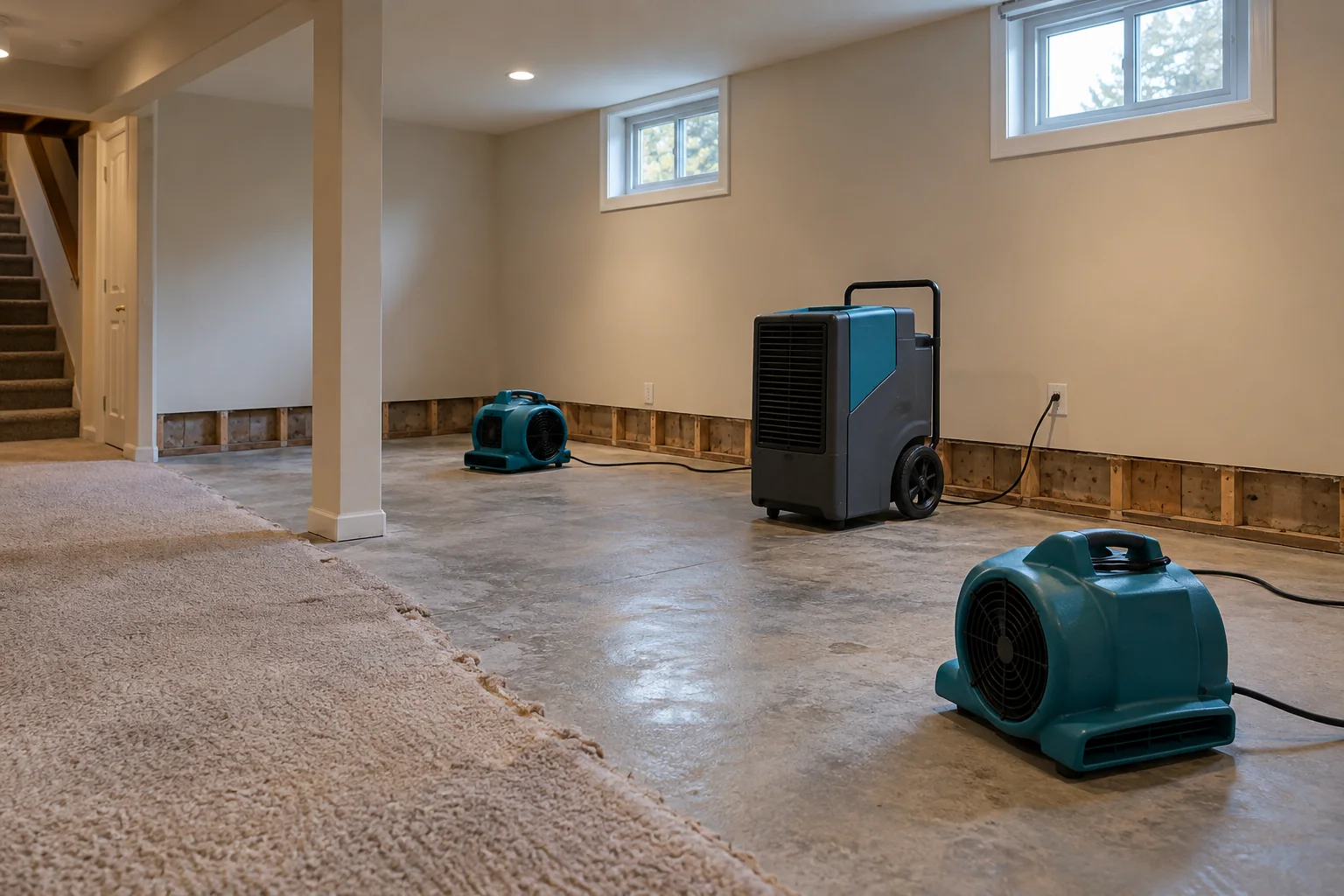
A clear plan for water removal, moisture assessment, drying and the repairs that follow.
Water damage restoration for Sterling Heights homes
An overflowing upstairs bathroom can wet the ceiling below before anyone sees water on the floor. A dishwasher connection can leak behind cabinets. A basement carpet can feel damp at the edge while the padding underneath holds much more moisture. Water damage restoration starts by connecting those observations into a picture of the affected building, rather than treating every wet room as a separate problem.
Call 586-488-0137 to discuss water damage in Sterling Heights, Michigan. Describe the source if you know it, when the water appeared, whether it is still entering and which rooms are involved. A cross street is useful for locating a property near the Van Dyke corridor, Dodge Park Road or the city's residential streets. The assessment and current availability should be confirmed for your particular property.
What to do when you discover a leak
Keep people away from standing water that may contact electrical equipment, outlets or wiring. Do not walk through water to reach a breaker panel. For immediate danger, active fire or a suspected gas leak, leave the affected area and contact emergency services. If a familiar water shutoff can be reached safely from a dry area, stopping the source may help limit further damage. A plumber or utility professional may be needed to make the source safe.
Photograph the affected room from a safe location. Note the approximate discovery time and any changes you observed. Avoid pulling off wet wall coverings, lifting heavy furniture or opening a sagging ceiling. These actions can expose hidden hazards or change the condition of materials before they have been evaluated. Let the restoration contact know about water near a furnace, electrical panel or occupied room.
Assessment: follow the water, not just the stain
The visible puddle does not establish the edge of the damage. Water can move under floating floors, through wall openings and into lower-level ceiling cavities. A useful inspection considers the original source, elapsed time, possible contamination and the materials that make up each affected assembly. Moisture instruments can help identify areas needing closer inspection; the readings need to be interpreted for the material and conditions.
Ask which rooms were checked, which areas were inaccessible and why any material removal is proposed. A finding that appears limited on the first visit can change after a cabinet toe kick or another concealed area is opened. Changes to the scope should be explained and documented. The goal is to make decisions from the actual condition of the property, not assume that a dry-looking surface is proof of a dry cavity.
Tell us the source, rooms affected and your Sterling Heights location.
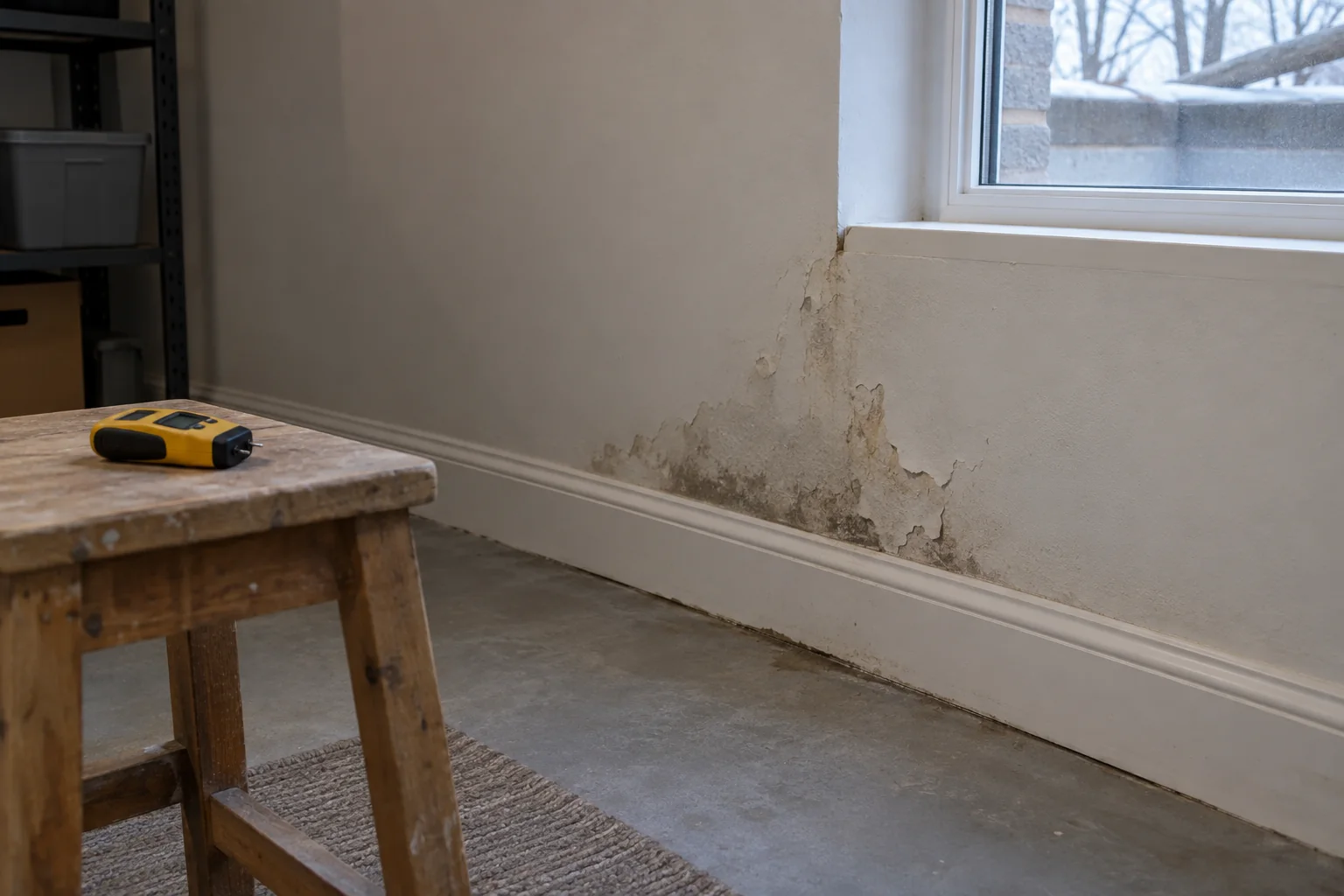
Extraction, drying and repair are different stages
Water extraction removes accessible liquid. Cleaning decisions address the source and condition of the water, as well as the surfaces it contacted. Structural drying then addresses moisture that remains in materials that can reasonably be retained. Air movement, dehumidification and access to affected assemblies may be combined, with the setup adjusted as conditions change.
Repairs follow a different scope. Replacing trim, drywall, insulation, flooring and paint should be planned after the affected materials and remaining moisture have been assessed. A repaired pipe does not dry a wall, and new paint does not correct a recurring leak. Ask who will handle source repair, mitigation and reconstruction, which phases are included in an estimate and what evidence will support the transition between phases.
An example: a kitchen leak in a brick ranch
Consider an illustrative situation: a Sterling Heights homeowner discovers a dishwasher leak after returning home. The kitchen floor is wet, but the adjoining hall looks unaffected. An assessment finds moisture at the cabinet base and along the hall's flooring edge. The plan may involve moving accessible contents, extracting water, checking the floor assembly and creating appropriate drying access around the cabinet base.
The important question is not whether every kitchen requires the same treatment. It is whether the scope accounts for the way this kitchen is built. Tile over a wood subfloor, sheet flooring and a floating floor each present different access and repair considerations. This example explains a possible decision process; it is not a claim about a completed customer project or a guaranteed result.
Timing, documentation and cost
The cost depends on the affected footprint, depth and duration of wetting, water condition, material access, removal needs, equipment requirements and the repairs ultimately authorized. An estimate based only on square footage can miss a wet ceiling below the original leak or a layer beneath the visible floor. Ask for an itemized scope and how equipment use, monitoring visits and changes will be billed.
Keep photographs, source-repair invoices, written authorizations and the drying documentation together. An insurer makes its own coverage determination; restoration service does not establish coverage or eliminate a deductible. If you are filing a claim, ask the insurer what records it needs while addressing immediate safety and damage concerns. Do not assume that a neighbor's claim decision applies to your property.
Questions about water damage restoration
How quickly should I call after finding water?
Can the floor stay in place?
Does a fan finish the job?
How long will drying take?
Is water damage always covered by insurance?
Do you help with basement water too?
Prepared for Sterling Heights property owners. Examples are illustrative; the scope, timing and material decisions require an assessment of your property.
Local service information ↗