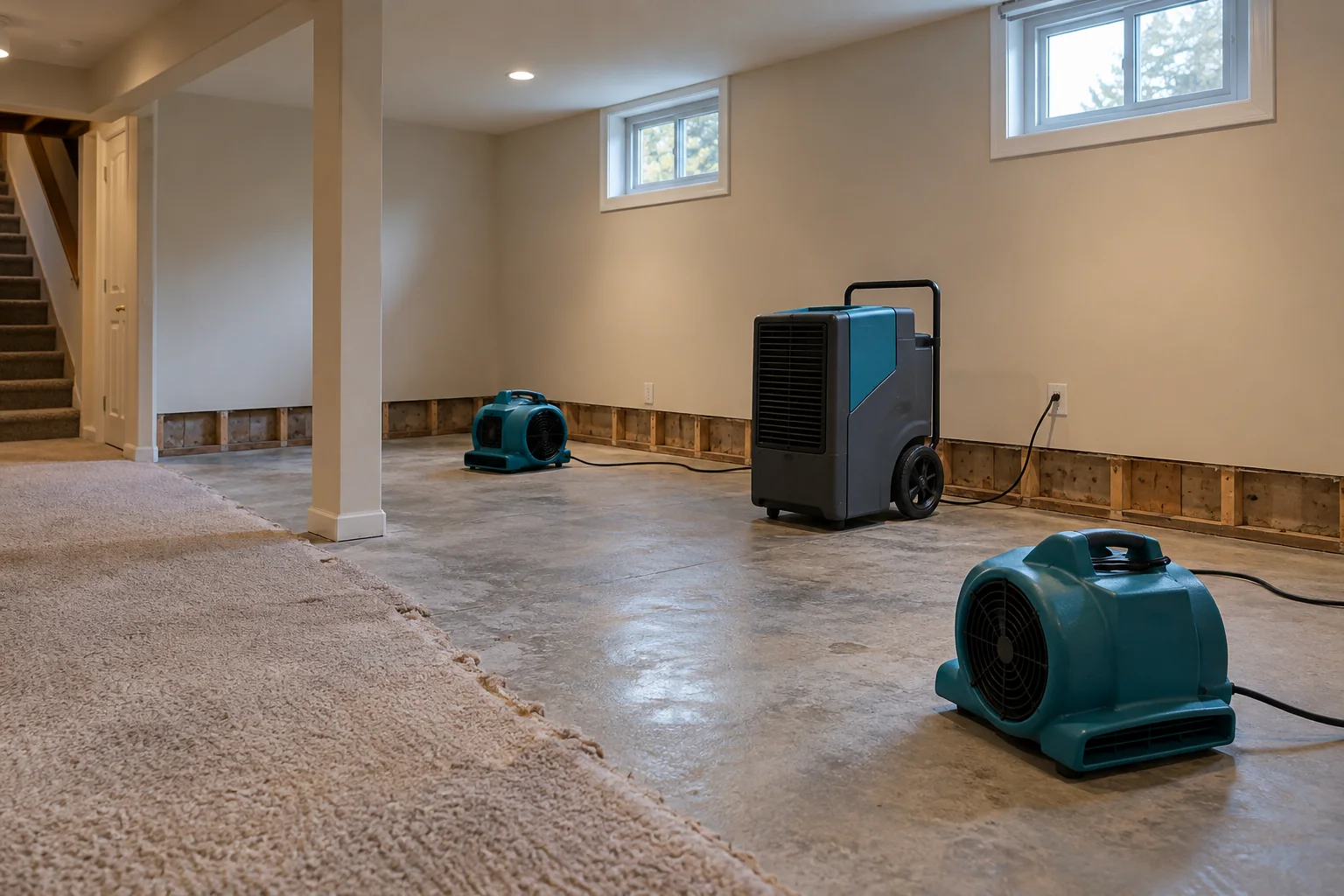
Coordinate cleanup with occupied spaces, tenant responsibilities and reopening priorities.
A recovery plan for the building and the business
Water damage in a shop, office, rental property or other commercial space can interrupt access, damage inventory and affect neighboring occupants. The restoration plan needs to address the physical damage while making responsibilities and communication clear. Which rooms can be used, who can authorize work and who receives updates are practical questions from the beginning.
Call 586-488-0137 to discuss commercial water damage restoration in Sterling Heights. Provide the property type, the affected area, the known source and the responsible contact. For a business along Van Dyke Avenue, Mound Road, Hall Road or another local corridor, specify the entrance and any access restrictions so scheduling can be discussed accurately.
Establish safe access and authority
Keep employees, customers and tenants away from standing water, damaged ceilings and affected electrical areas. Immediate dangers belong with emergency services and the appropriate utility or building specialists. Do not reopen an affected area merely because the visible puddle has been removed.
Identify the property owner or manager and the person authorized to approve work. In leased premises, the tenant and landlord may have separate responsibilities for finishes, systems and contents. Restoration should not proceed on assumptions about that split. A clear point of contact helps prevent duplicate instructions, delays and disputes over access.
Assess adjoining spaces and building systems
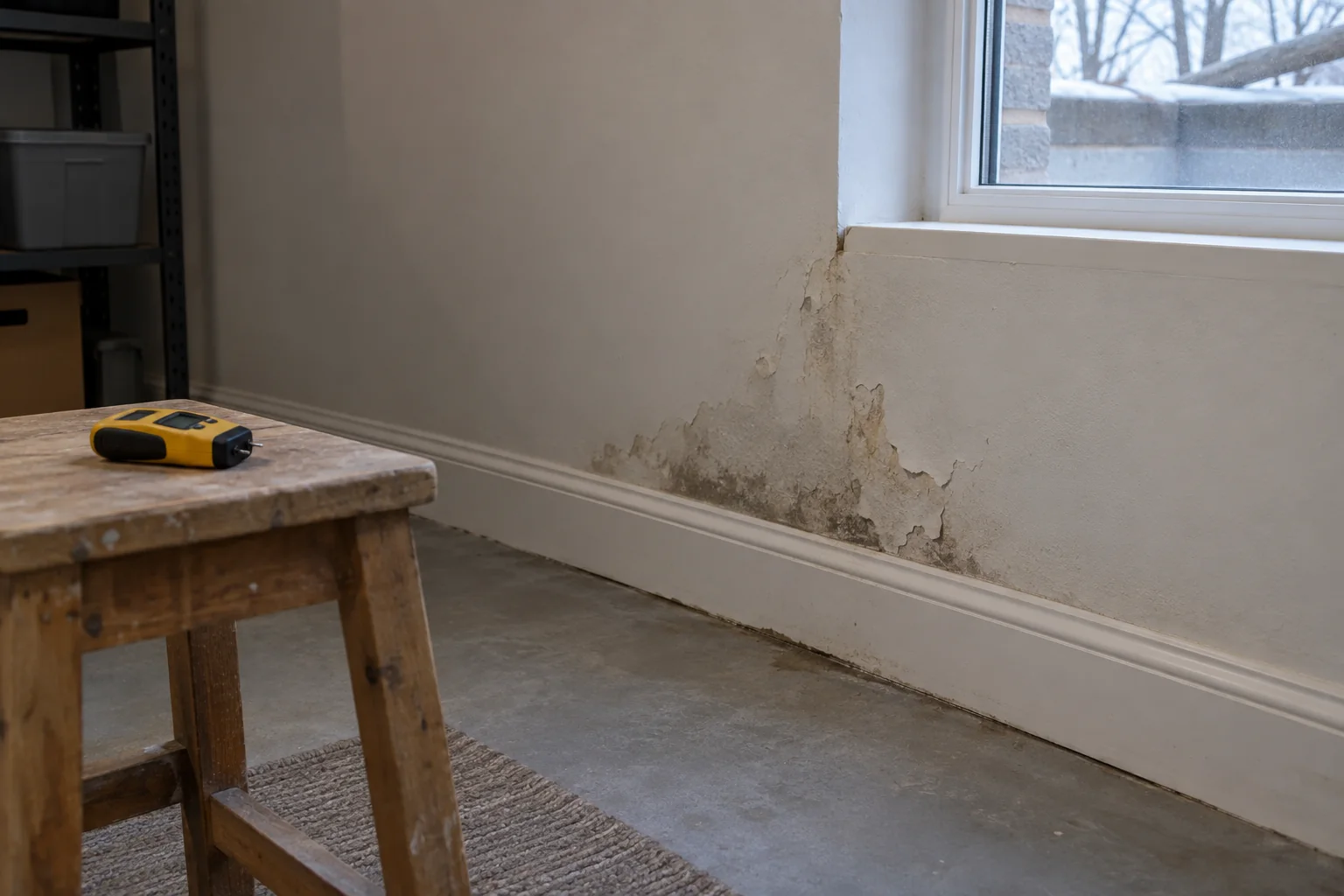
Water can pass beneath partitions, into neighboring suites or through a floor assembly. The inspection should consider the source and water route, not only the room where the problem was reported. Shared ceilings, utility rooms and concealed cavities may require coordinated access with building management.
Ask how inaccessible areas will be documented and what further investigation is proposed. If electrical, mechanical or specialized systems are affected, qualified specialists may need to evaluate them before return to use. The restoration scope should identify those dependencies rather than imply that cleaning visible surfaces resolves every building-system concern.
Tell us the source, rooms affected and your Sterling Heights location.
Contents, inventory and operational priorities
Separate building materials from business contents in the work plan. Paper records, electronics, merchandise, fixtures and furnishings may need different handling and recovery decisions. Ask how items will be inventoried, where they will be moved and who can authorize disposal. Protect confidential information during documentation and contents handling.
Explain the areas that are critical to operations, such as an entrance, server space or essential workroom. Priorities can help coordinate the schedule, but they do not override safety or the need to complete appropriate cleanup. Some property types have specialized sanitation, licensing or reopening requirements that should be reviewed with the relevant professionals or authorities.
Work sequencing in an occupied property
Extraction, cleaning, selective removal and drying may need to be staged around access routes and unaffected areas. Discuss barriers, equipment location, noise, working hours and the movement of removed materials. Make sure fire exits and required access remain part of the plan. If the proposed setup disrupts essential operations, address that with the provider rather than moving equipment without coordination.
For multifamily properties, residents need consistent instructions about access and affected rooms. Property management should coordinate notices and entry permissions. The structural drying guide explains why equipment placement and monitoring are part of a documented process rather than a set-and-forget step.
Example: a supply leak in a small office suite
Imagine an office in Sterling Heights where a failed kitchenette connection wets a corridor and reaches a neighboring room. The building manager arranges source repair, while the business identifies sensitive records and equipment. The restoration assessment may need access beyond the kitchenette to understand floor layers and partition edges.
The work plan can separate immediate mitigation, contents decisions and later flooring repairs, with a designated contact receiving scope updates. This example is hypothetical. It demonstrates coordination questions rather than claiming a completed job, a fixed reopening timeline or suitability for every type of commercial facility.
Documentation and reopening
Ask for a room-by-room scope, records of authorized changes, drying documentation and the status of source repair. Keep business contents records separate from building repair records where that helps the owner, tenant and insurer understand the loss. A single combined invoice without detail can make later responsibility questions harder to resolve.
Reopening depends on more than the removal of equipment. The affected space, utilities, access, cleanup status and any applicable requirements need consideration. Ask who makes each necessary decision and what work remains. The restoration provider should not promise that its cleanup automatically satisfies every regulatory or operational requirement for a specialized business.
Commercial restoration cost factors
Size is only one factor. Access hours, contents, contamination, floor assemblies, shared areas and specialized systems can change the work. Ask how emergency work is separated from longer-term repairs and whether after-hours work, monitoring and contents handling are included. Clarify the approval process before hidden conditions lead to additional tasks.
Your insurer determines property and business-interruption coverage. Keep the event timeline and mitigation records, but do not assume cleanup charges, lost revenue and tenant improvements are all treated alike. A written scope and a clear owner-tenant responsibility record support a more organized recovery conversation.
Commercial restoration questions
Can the business remain open during cleanup?
Who should authorize work in leased premises?
Can you work around our operating hours?
What if another suite is affected?
Are electronics and records part of building cleanup?
What should the final handoff include?
Prepared for Sterling Heights property owners. Examples are illustrative; the scope, timing and material decisions require an assessment of your property.
Local service information ↗