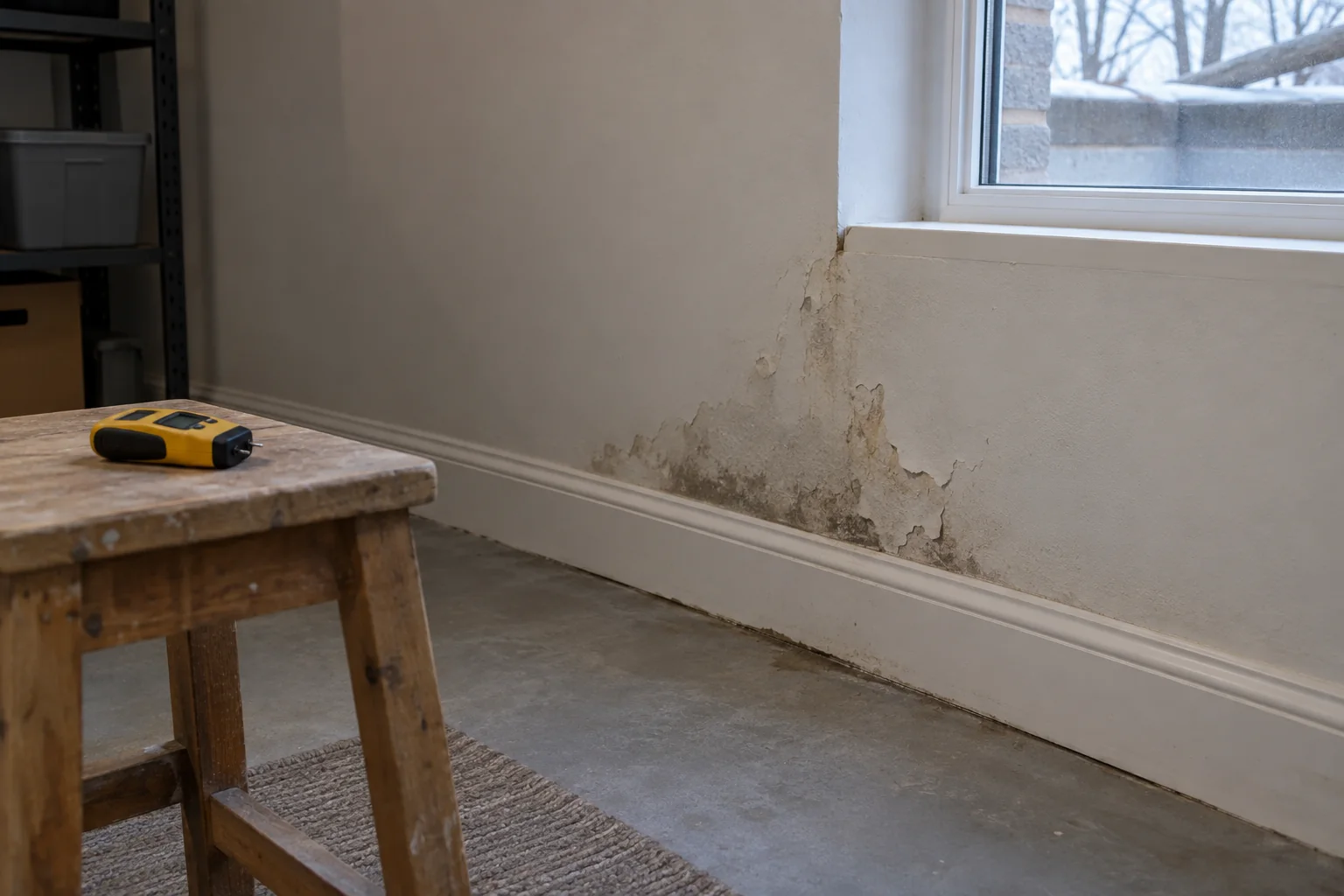
Address moisture sources, affected materials and a practical remediation scope.
Start with the moisture story
A musty basement, staining at a window or visible growth behind a stored box can raise questions about mold. The useful starting point is the moisture history: a recent leak, recurring condensation, outdoor entry or another damp condition. Remediation planning should address both the affected materials and the condition that allowed moisture to persist.
Call 586-488-0137 for a mold remediation inquiry in Sterling Heights. Describe where the issue appears, its approximate visible extent from a safe position and any known water history. Do not open a wall or disturb a suspect material just to obtain a better photograph. If you have health concerns, discuss them with an appropriate health professional.
Visible appearance is only one piece of information
The color of a spot does not reliably identify a mold species or establish a health risk. Likewise, an odor alone does not reveal the exact location or size of an affected area. An assessment should consider the building conditions, moisture source, materials and any limitations on access. Staining can also have causes other than mold.
Ask what the evaluator observed, what can be concluded and what remains uncertain. Testing may be useful for a particular question, but it should have a defined purpose. A test result does not repair a leak, and a clean-looking surface does not establish that a concealed moisture problem is resolved.
Control the source before closing the project
The EPA's home mold and moisture guide emphasizes moisture control and prompt attention to water-damaged materials. In practice, source correction may involve plumbing, drainage, a building opening or indoor moisture management. The right specialist depends on the cause.
Ask who will correct the source and whether that work is included. Cleaning a surface without addressing a recurring leak can leave the same conditions in place. If the issue followed a prior loss, gather the repair history and drying records. They may help identify which areas were addressed and where further investigation is needed.
Tell us the source, rooms affected and your Sterling Heights location.
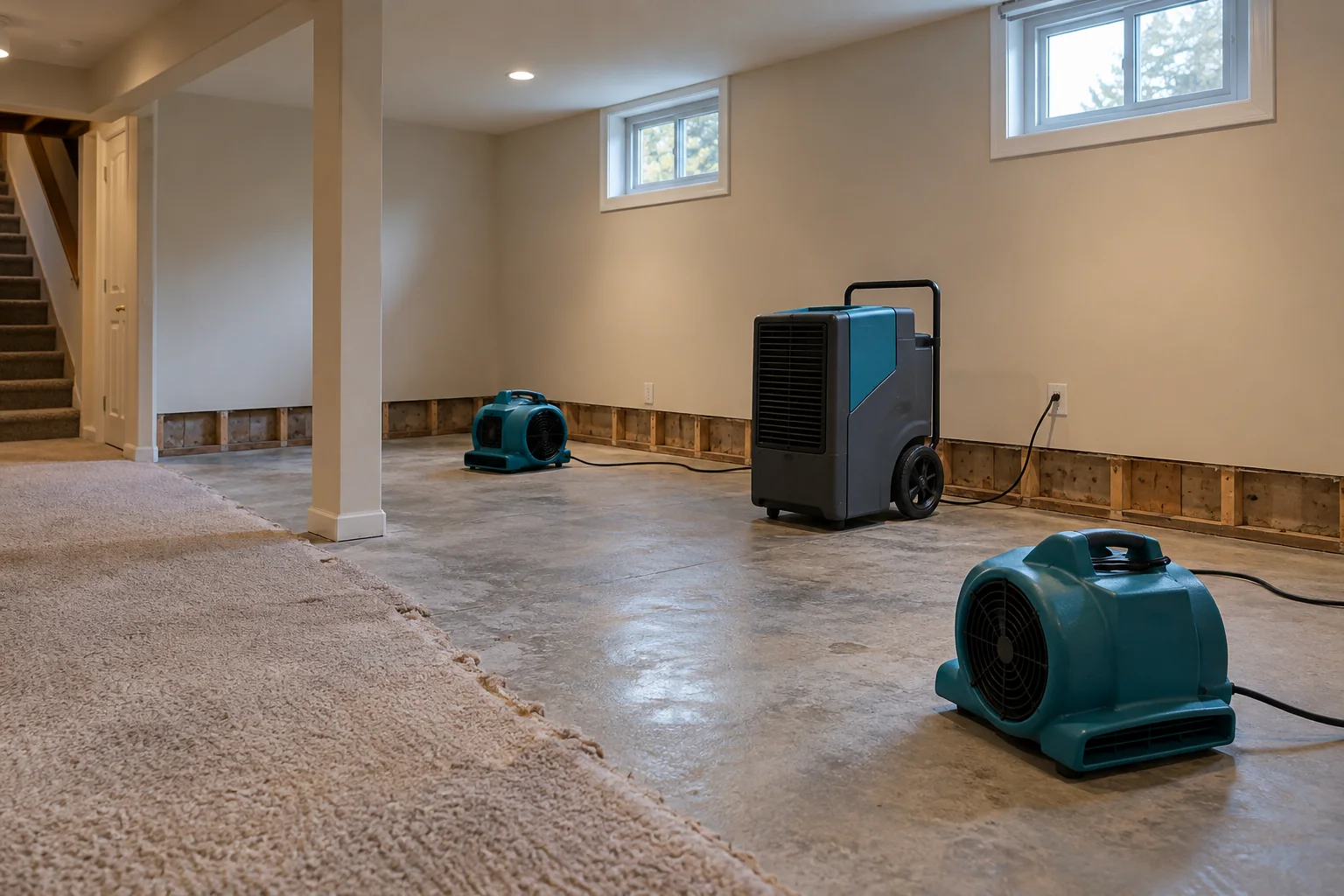
What a remediation scope should describe
A written scope should identify the affected work area, materials, access, removal or cleaning approach and how the work will be separated from normal household activity. Different assemblies may need different decisions. Accessible hard surfaces are not the same as porous insulation, carpet backing or damaged composite cabinetry.
Ask how retained surfaces will be evaluated and how removed materials will be handled. Do not assume painting, fragrance or a treatment product alone resolves the underlying issue. The goal should be a clear explanation of the affected condition, the work being performed and the evidence used to assess completion.
Airflow and occupied spaces
Avoid directing fans across suspected mold contamination or disturbing it while waiting for an assessment. If a heating or cooling system may be involved, tell the evaluator before operating it. System concerns may need an appropriate specialist. A provider should explain any restrictions on room access and how household routines will be affected.
For a basement with stored belongings, discuss the route for moving items and where they will be evaluated. For an occupied rental, coordinate with the property owner and responsible maintenance contact. Responsibilities for access, authorization and source repair should be clear so the project does not stall between separate decision makers.
Example: a recurring stain near a basement window
Imagine a homeowner notices a recurring damp stain below a basement window each time it rains. Wiping and repainting changes the appearance, but the stain returns. An assessment might consider the window area, nearby materials and the route of water entry, with a separate repair specialist involved if needed.
Remediation and finish repairs should follow what that assessment finds. The important distinction is between changing the surface appearance and changing the moisture condition. This hypothetical example is not a diagnosis for every stained window area or a claim about a completed customer project.
Cost and completion questions worth asking
The visible area is only one cost factor. Hidden extent, material access, containment needs, contents, removal and finish repairs can all affect the scope. Ask how new findings will be documented and authorized. Clarify whether any independent assessment or post-work verification is included or separately arranged when appropriate.
At completion, ask what was addressed, what remains inaccessible and what source-control work or maintenance is still needed. There is no useful blanket promise that a building will contain no mold spores. A practical handoff focuses on the treated area, remaining conditions, the work performed and ongoing moisture control.
Mold remediation questions
Can you identify mold by its color?
Do I always need mold testing?
Can I paint over a moldy area?
What if I only smell something musty?
Will remediation fix my basement leak?
What should I do while waiting for an assessment?
Prepared for Sterling Heights property owners. Examples are illustrative; the scope, timing and material decisions require an assessment of your property.
Local service information ↗