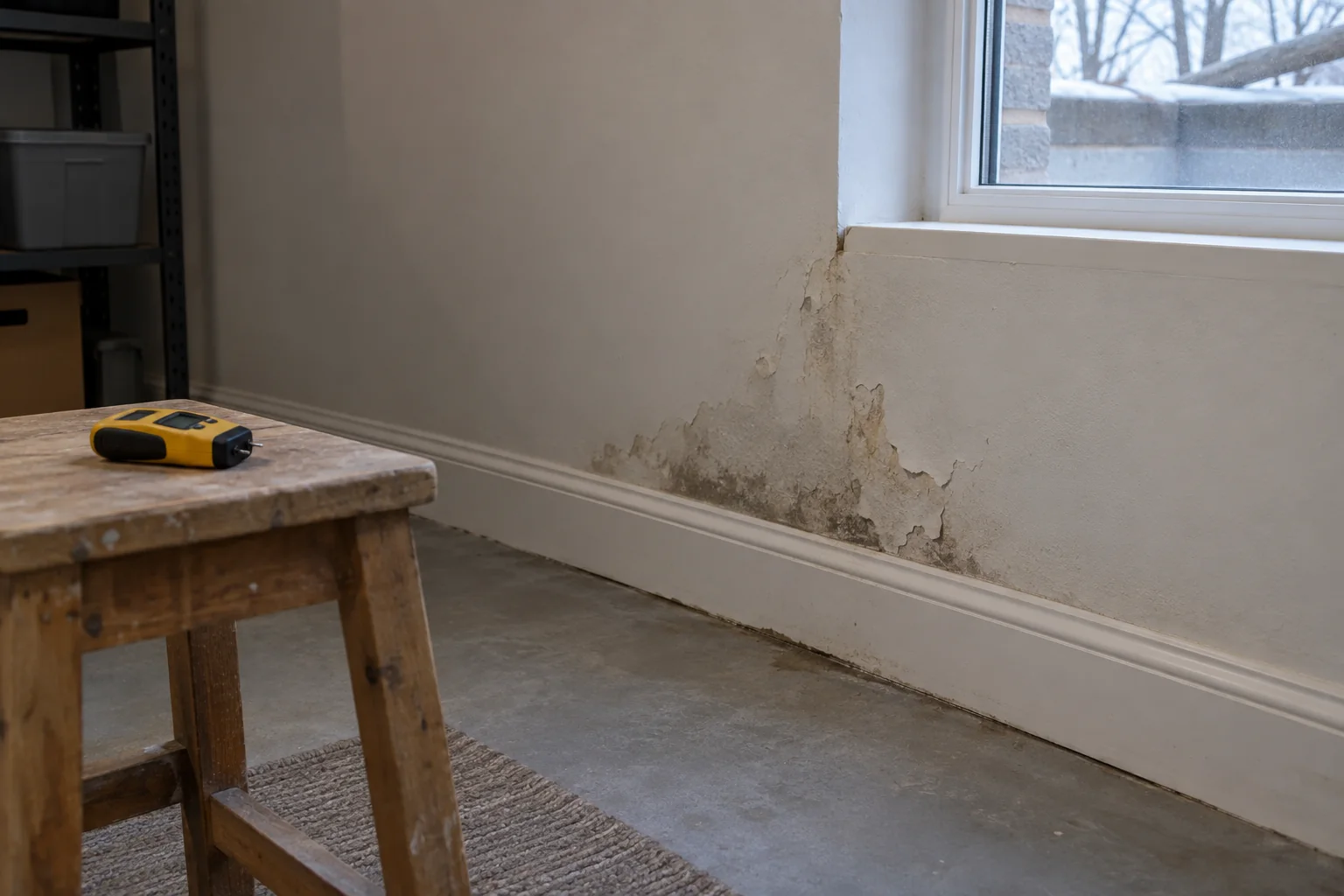
Plan contaminated-water cleanup, material removal and the handoff from drain repair.
A sewer backup needs more than water removal
Water emerging from a floor drain or plumbing fixture can affect a basement's finishes, stored belongings and access routes. It may look like a familiar flooding problem, but sewage exposure changes the cleanup decisions. Removing visible water or restoring drain flow does not establish that the room and its contents are ready for normal use.
Call 586-488-0137 about sewage backup cleanup in Sterling Heights. Mention the drain or fixture involved, whether more than one fixture is affected, whether the water is still rising and whether people or pets entered the space. Keep the area isolated while the cause and cleanup requirements are assessed.
Keep exposure and traffic limited
Avoid contact with suspected sewage. Keep children and pets away, and do not carry wet belongings through clean rooms without a handling plan. Do not direct ordinary fans across contaminated materials. Electrical exposure can make the area unsafe even before contamination is considered. For immediate danger, leave and seek emergency assistance.
The EPA's mold cleanup guidance advises using professionals experienced with contaminated-water damage when sewage is involved. The practical next step is to explain the suspected source before anyone selects a cleanup method. A clear-looking overflow should not be assumed harmless from its appearance alone.
Drain repair and cleanup have different jobs
A plumber or drain specialist may investigate an obstruction or other drainage problem. If a public-system issue is suspected, the relevant local authority may also need to be contacted. Interior restoration addresses what the water reached, which materials can be cleaned, what requires removal and how the work area will be managed.
Ask who is responsible for each part and how the handoff will happen. A drain-service report can be helpful context, but it is not a cleanup clearance. Likewise, an interior cleanup does not prove that the source is corrected. If water is still entering, that ongoing condition must be part of the work plan before new finishes are installed.
Tell us the source, rooms affected and your Sterling Heights location.
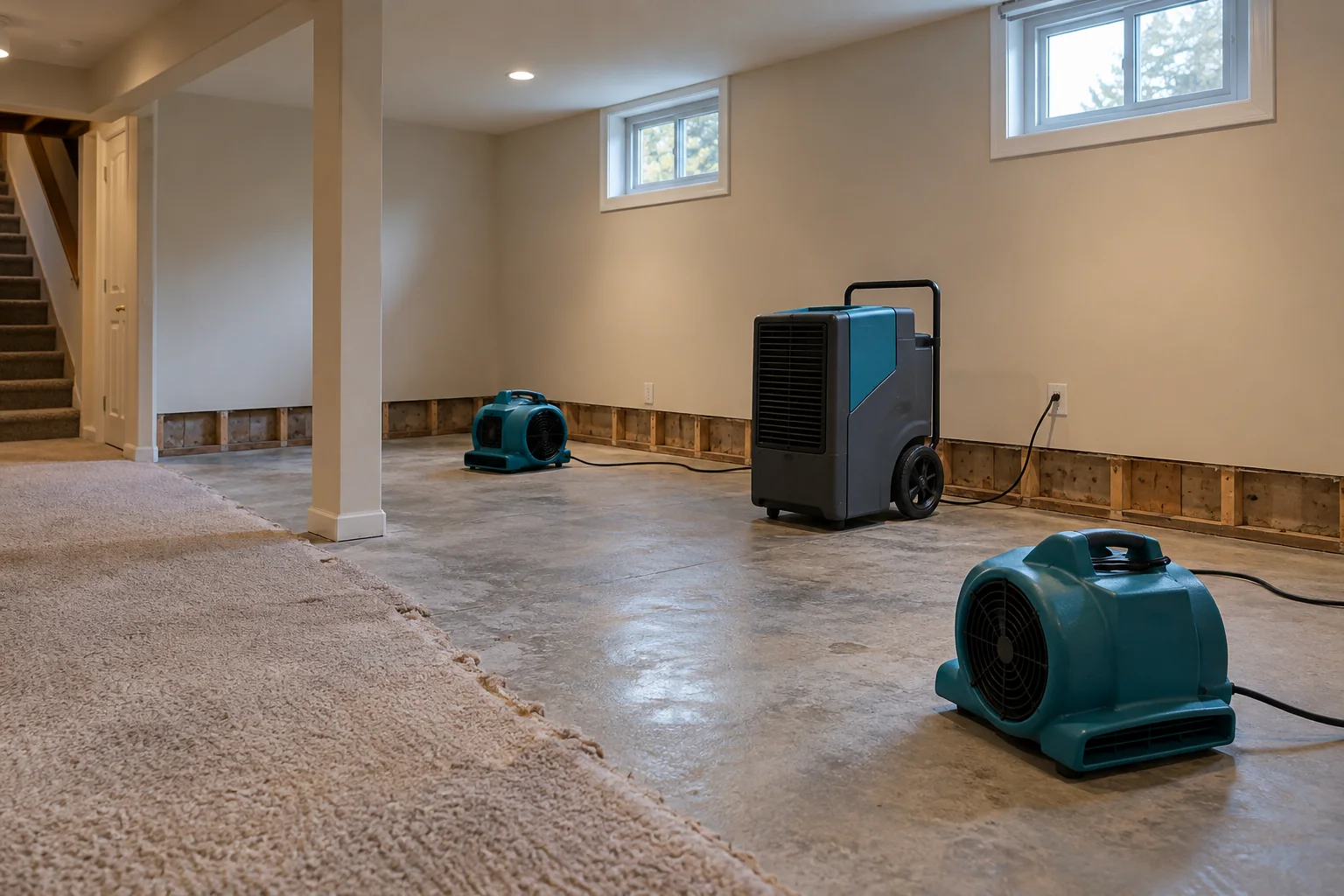
Material decisions after contamination
Porous finishes, carpet layers, insulation and composite materials can present different recovery options from accessible nonporous surfaces. Contamination may have reached the underside of a finish or the back of a wall assembly. A room-by-room inventory helps keep decisions tied to actual exposure rather than treating every object identically.
Ask the evaluator to explain the proposed removal boundary, disposal arrangements, cleaning methods and how retained materials will be assessed. Important documents, electronics and sentimental belongings may need specialist evaluation. Avoid committing to keep an item simply because it can be dried; drying and cleaning are separate questions.
Work-area organization matters
The cleanup route can pass through a stairwell, laundry room or shared entrance. Work planning should account for those routes so affected materials are not casually moved through unaffected areas. Discuss where contents will be sorted, how waste will be handled and which rooms occupants should avoid during work.
If the basement includes a furnace or air-handling equipment, tell the evaluator. Decisions about mechanical systems may require the relevant specialist. A restoration plan should not treat a contaminated utility area as an ordinary carpet-cleaning job. Ask about the planned sequence and what needs to be checked before household access resumes.
Example: a floor-drain backup into a finished basement
Imagine a basement where water rises from a floor drain into a laundry room, then reaches a carpeted hallway and storage closet. Drain work restores flow, but the carpet layers, lower wall surfaces and boxes along the floor have already been exposed. A separate cleanup scope considers those materials and the path used to remove them.
The key lesson is that the backup's visible footprint may cross several material types. A suitable decision for the open slab is not automatically suitable for carpet pad or pressed-wood shelving. This example is hypothetical and illustrates scoping decisions; it is not a claim of a completed Sterling Heights job.
Documentation, cost and return to use
Ask for a written scope that identifies contaminated areas, removal decisions, cleaning work, drying requirements and the later repair phase. Cost can depend heavily on the amount of affected porous material and the access needed to remove it. A small room full of exposed belongings can involve more handling than a much larger empty floor.
Before reoccupying or rebuilding, ask what completion documentation the provider will supply and whether additional specialists are needed. Odor reduction alone does not establish completion. Insurance coverage for sewer backup depends on policy terms and endorsements; ask your insurer directly and keep source findings and cleanup records together.
Sewage cleanup questions
Can I clean a sewage backup with bleach?
Is it safe once the drain starts working?
Can sewage-exposed carpet be dried and kept?
Do I need a plumber and a restoration provider?
Will ordinary air movers help right away?
What should I ask before authorizing work?
Prepared for Sterling Heights property owners. Examples are illustrative; the scope, timing and material decisions require an assessment of your property.
Local service information ↗