Plan recovery for soot, smoke residues, contents and firefighting water damage.
Recovery after the fire is out
A fire can leave several kinds of damage in the same property: direct heat damage, smoke residues, odors, broken openings and water used during suppression. The visible burned area may be much smaller than the space requiring assessment. Restoration begins after emergency responders have addressed the incident and the property is released for appropriate access.
Call 586-488-0137 to discuss fire and smoke damage restoration in Sterling Heights. Tell us whether the property has been released for access, which rooms were involved and whether utilities or openings remain a concern. For active fire, smoke, gas odor or an immediate threat, leave and contact emergency services first.
Re-entry is a separate safety decision
Do not treat the absence of flames as permission to enter or restart building systems. Structural conditions, electrical components, appliances and utilities may require evaluation by the appropriate professionals. Follow emergency responder directions. Keep children and pets away from affected areas, and avoid disturbing residues while conditions are uncertain.
Photographs taken from an approved, safe location can help document the incident. Do not climb, move heavy debris or handle damaged electrical equipment to improve the record. If temporary board-up or weather protection is needed, clarify who is handling it and what remains before the property can be secured permanently.
Smoke can travel beyond the source room
Smoke residues may affect adjacent rooms, contents and surfaces away from the visibly burned area. Open doors, airflow and the building layout influence the inspection route. A cleanup scope should identify which rooms and materials were assessed and why work is proposed in each area.
Different surfaces and residues can respond differently to cleaning. A test cleaning may help inform a material decision before a larger area is treated. Ask which materials are candidates for cleaning, which are damaged beyond reasonable recovery and what limits apply. The strongest plan explains the reasoning instead of assuming every surface needs either replacement or the same cleaning product.
Tell us the source, rooms affected and your Sterling Heights location.
Water damage may need its own work stream
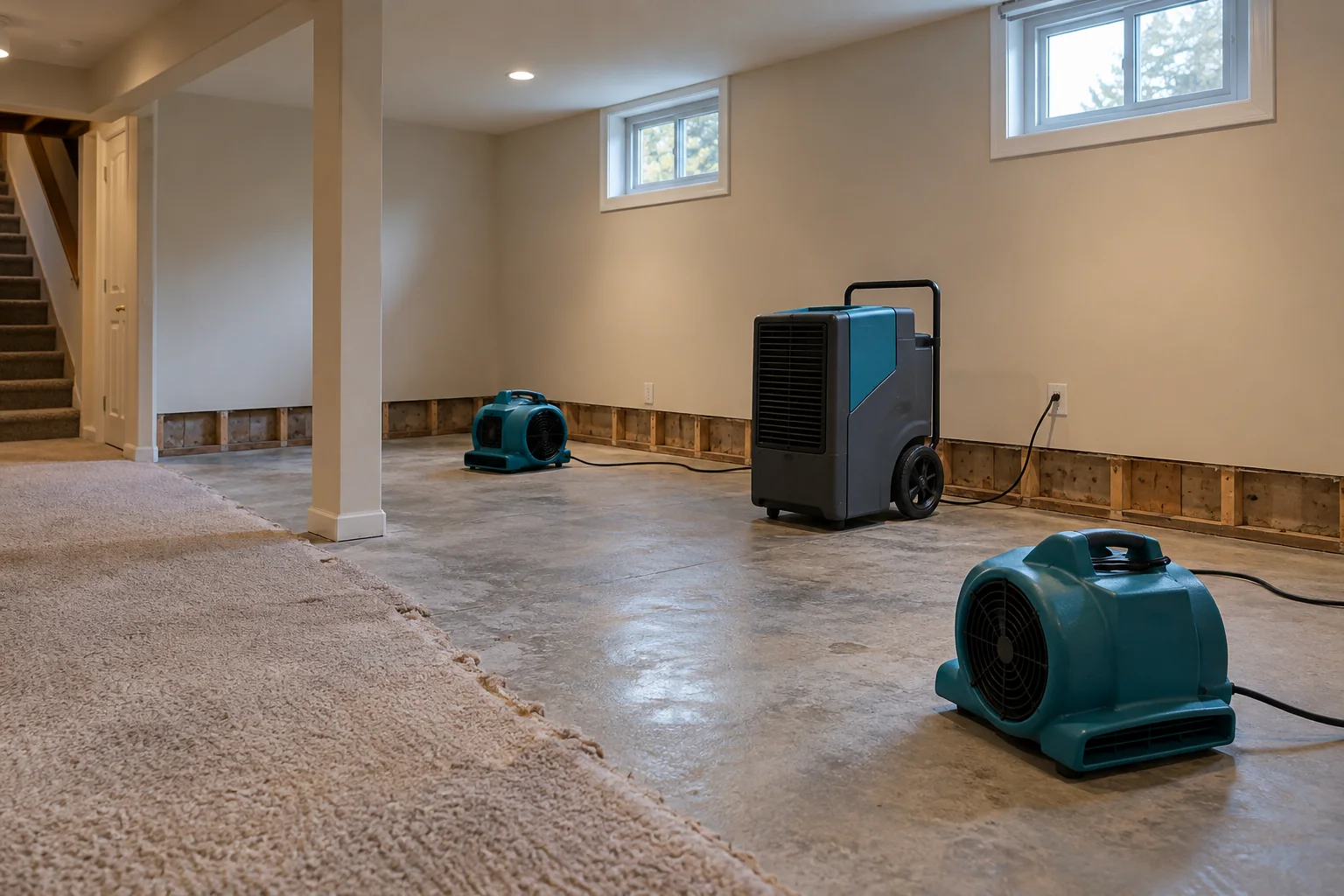
Water from suppression can affect flooring, wall cavities and lower levels. That moisture should not be overlooked while attention centers on smoke staining. The plan may need water extraction and structural drying alongside fire-related cleaning and contents assessment.
Ask how those activities will be coordinated. Drying equipment should be deployed with the residue and contamination conditions in mind. Closing a wall or replacing a floor requires attention to remaining moisture as well as fire damage. A comprehensive scope separates these needs while keeping them in the same recovery sequence.
Contents and odors need realistic expectations
Furniture, textiles, documents and electronics may require different specialists or handling methods. Ask how contents will be inventoried, what will be cleaned in place and what may need off-site evaluation. Discuss storage, access and disposal authorizations before belongings are moved. Sentimental value is worth explaining, even when recovery is uncertain.
Odor control should be linked to source removal and appropriate cleaning. A fragrance that temporarily changes the room's smell is not evidence that residues are addressed. Ask what treatment is proposed, what occupancy restrictions it may require and how results will be assessed. No blanket promise can establish that every material or odor will be fully restored.
Example: a contained kitchen fire
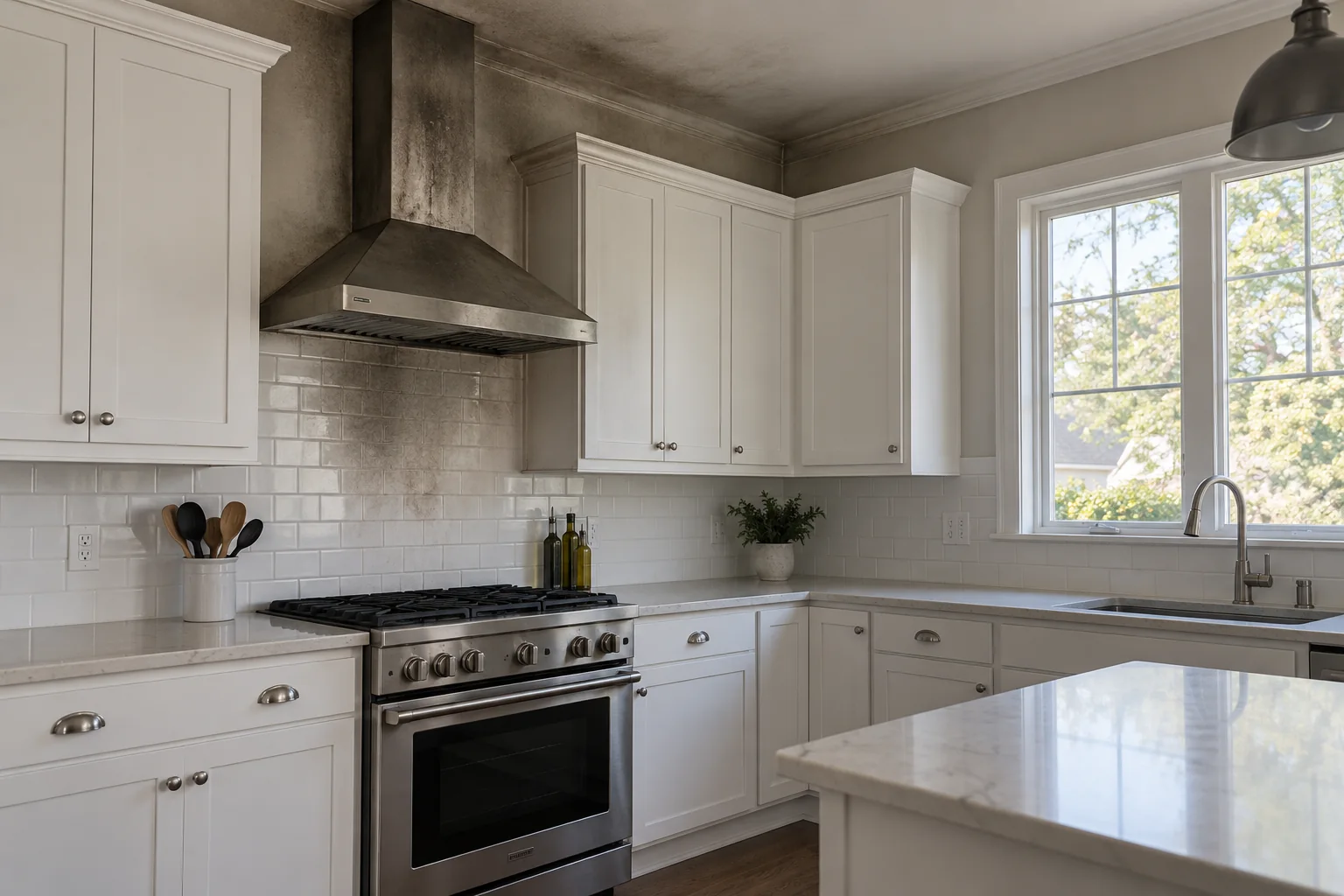
Imagine a Sterling Heights home with soot above a cooking area and light residue in an adjoining dining room. Emergency access has been released, but an appliance and electrical components need specialist review. The assessment may consider cabinets, ceilings, nearby contents and any suppression water that reached the floor assembly.
The resulting plan could combine test cleaning, material-specific decisions, contents handling and moisture assessment. Appliance repair and finish reconstruction would have their own scope. This is an illustrative example of coordination after a contained fire, not a completed project or a guarantee that cabinets can be saved.
Estimates and rebuilding decisions
The affected rooms, residue distribution, material type, contents, access, water damage and structural repair needs influence cost. Ask whether temporary protection, cleaning, contents transport, storage and reconstruction are included. A single total without phase descriptions can make it hard to understand responsibilities and changes.
Keep incident information, photographs, inventories and authorizations together. If an insurer is involved, ask it about required records and approvals. The service provider's estimate does not decide coverage. Before finishes are restored, clarify the status of utilities, remaining moisture, cleaning and any required specialist inspection.
Fire and smoke restoration questions
Can I return home as soon as the fire is out?
Should I wipe soot off walls myself?
Can belongings be cleaned instead of replaced?
Does smoke odor mean all walls need replacement?
Is firefighting water included in the assessment?
How long does rebuilding take?
Prepared for Sterling Heights property owners. Examples are illustrative; the scope, timing and material decisions require an assessment of your property.
Local service information ↗